What Is Modern Architecture?
A Complete Guide to Today’s Most Influential Design Style
October 22, 2025 | Architecture
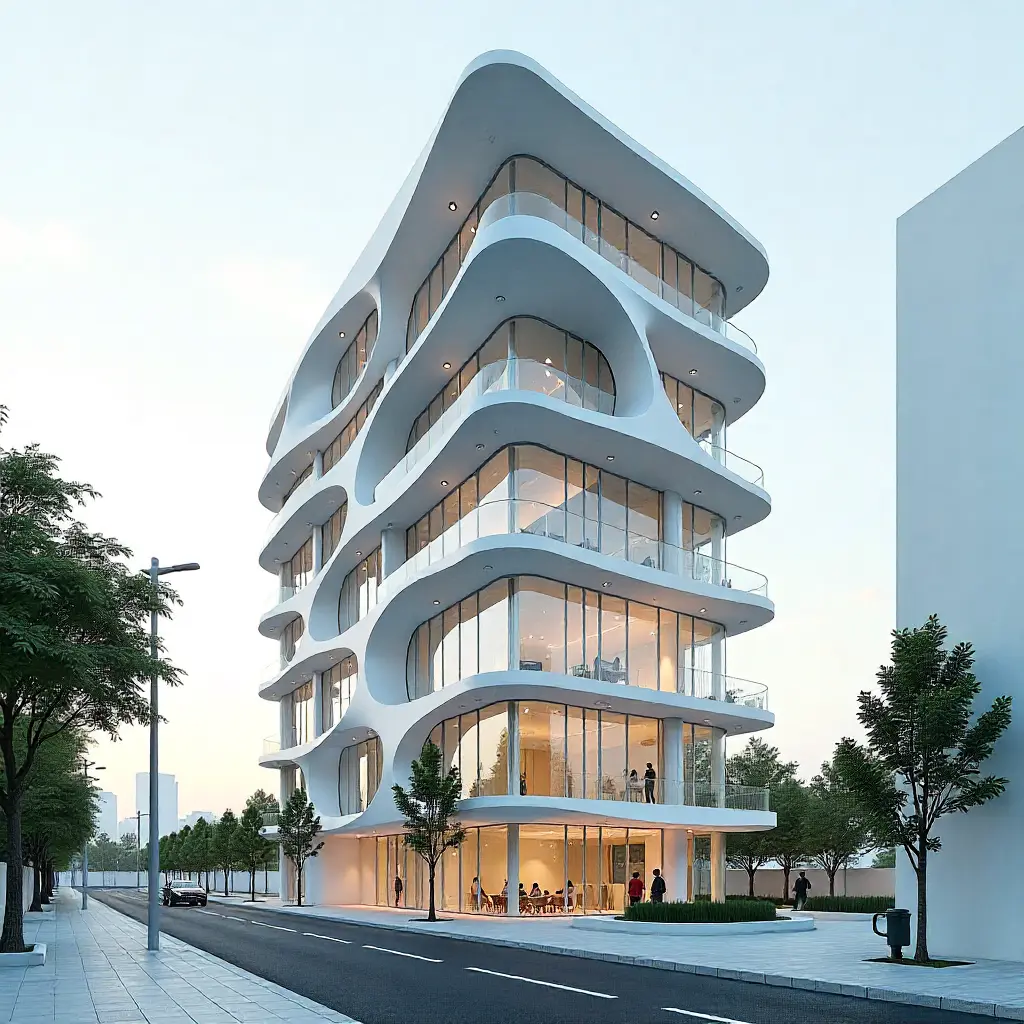
Modern Architecture is more than just a design style it is a philosophy that focuses on simplicity, function, innovation, and smart use of space. Today, modernist architecture is shaping the way cities grow, how homes function, and how humans interact with their built environment.
With clean lines, geometric forms, open floor plans, and smart building systems, modern architecture has become the backbone of contemporary living.
For companies like ShapeSpace Associates, which design sustainable, future-ready spaces, modern architecture provides the foundation for innovation and eco-friendly development.
History of Modern Architecture
The roots of modern architecture can be traced back to the late 19th and early 20th centuries, when architects rejected overly decorative historical styles. This shift led to the birth of Modernist architecture inspired by industrialization, new construction technologies, and a desire for functional design.
Key Movements That Shaped Modern Architecture
- Bauhaus Movement: Introduced the “form follows function” principle.
- International Style: Emphasized minimalism, steel frames, and glass facades.
- Mid-Century Modern: Brought warm materials, open layouts, and iconic geometric shapes.
These early ideas became the foundation for what we now call contemporary architecture.

Key Features of Modern Architecture
Modern architecture is defined by clarity, simplicity, and smart design. Some of its most important features include:
Simplicity & Functionality
Minimal details, clean surfaces, and spaces designed for everyday use are central to minimalist architecture.
Walls are minimized to create free-flowing spaces, perfect for modern living and natural light.
Flat Roofs in Modern Design
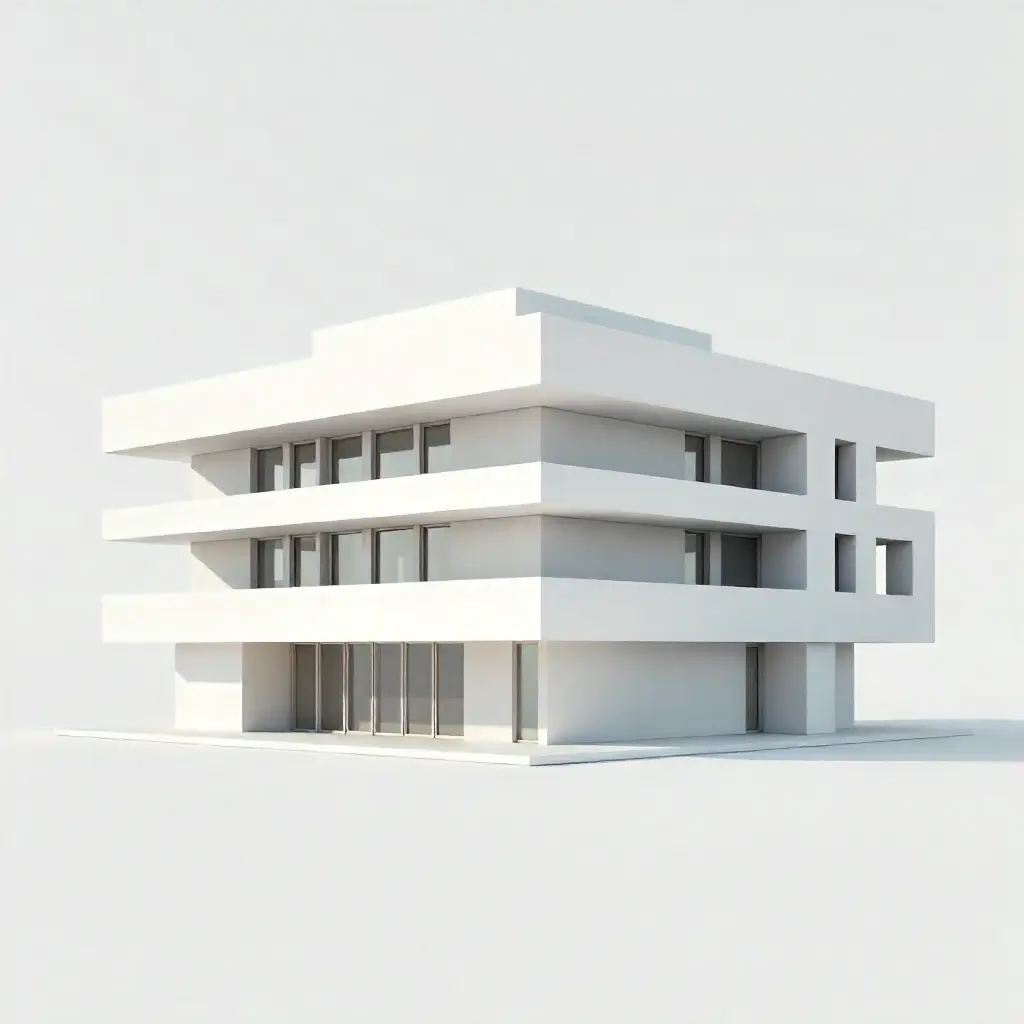
Flat or low-slope roofs give buildings a sleek, geometric appearance.
Geometric Architectural Shapes
Rectangular volumes, straight lines, and balanced proportions create bold visual statements.
Use of Modern Materials
Such as:
- Reinforced concrete
- Steel
- Glass
- Eco-friendly materials for sustainable building design
Smart Technology Integration
Smart systems control lighting, HVAC, safety, and energy usage improving both comfort and efficiency.

Modern Architecture vs Traditional Architecture
Modern Architecture | Traditional Architecture |
Minimalist & clean designs | Decorative, detailed, often ornate |
Open floor plans | Closed, divided rooms |
Flat roofs | Pitched or tiled roofs |
Steel, glass, concrete | Brick, stone, wood |
Smart building technology | Conventional mechanical systems |
Focus on sustainability | Limited environmental considerations |
Example:
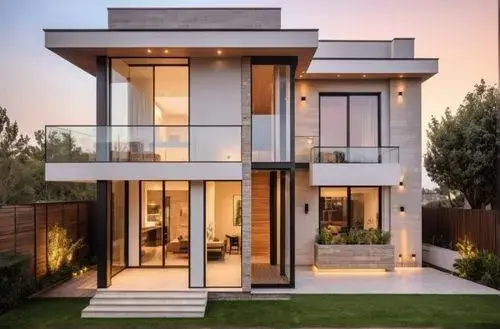
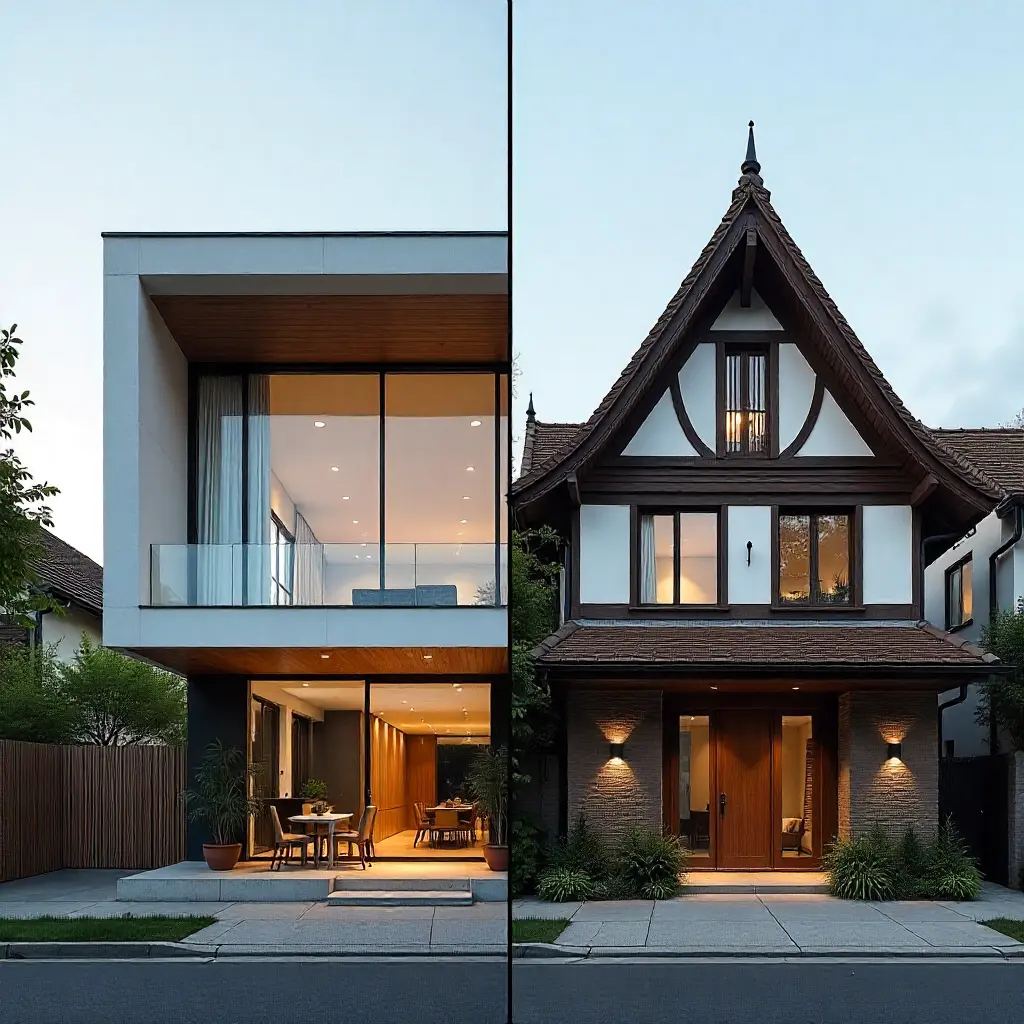
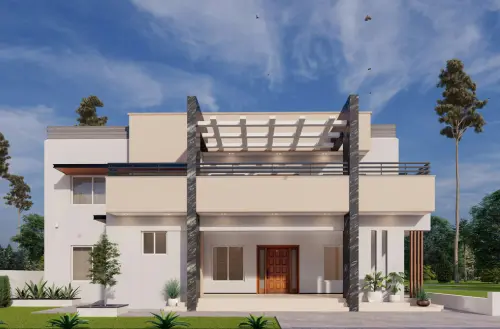
A modern house may use flat roofs, large windows, and open spaces, while a traditional house may feature arches, carved wood, and pitched roofs.
Technological and Sustainable Innovations
The future of architecture is high-tech and eco-conscious. Today, buildings are designed to reduce energy consumption and improve efficiency.
Smart Building Systems
- Automated lighting
- Motion sensors
- Smart HVAC
- Integrated security
- Voice-controlled building management
Sustainable & Eco-Friendly Modern Homes
- Solar panels
- Rainwater harvesting
- Energy efficient windows
- Passive cooling and daylighting
- Green roofs and landscape integration
Companies like ShapeSpace Associates increasingly use these technologies when designing modern urban spaces, smart homes, and infrastructure.
Famous Modern Architects and Iconic Buildings
Influential Architects
- Le Corbusier: Pioneer of Modernism.
- Frank Lloyd Wright: Creator of organic architecture.
- Ludwig Mies van der Rohe: Known for “less is more.”
- Zaha Hadid: Icon of futuristic design and flowing forms.
Iconic Buildings
- Villa Savoye – Le Corbusier
- Fallingwater – Frank Lloyd Wright
- Seagram Building – Mies van der Rohe
- Heydar Aliyev Center – Zaha Hadid
These projects helped shape the world of contemporary architecture we see today.
Current Trends & the Future of Modern Architecture
Architectural Trends 2025
- AI-assisted design and planning
- Buildings designed for climate resilience
- Ultra-minimalist homes
- Advanced smart-home integration
- Net-zero energy homes
- Biophilic design (more natural light, plants, and organic materials)
Future Outlook
Modern architecture is moving toward:
- 100% sustainability
- Digital twin technology
- 3D-printed construction
- Smart urban planning
- Hyper-efficient space utilization
Modern architecture is truly the bridge between today’s needs and tomorrow’s possibilities.

What is the main purpose of modern architecture?
To create functional, simple, and efficient spaces using modern materials and technology.
Is modern architecture the same as contemporary architecture?
Not exactly. Modern architecture refers to a historical movement, while contemporary architecture reflects today’s evolving design trends.
Why are flat roofs common in modern design?
Flat roofs complement minimalist geometry and allow rooftop spaces, solar panels, and water systems.
How is sustainable building design used in modern architecture?
Through energy-efficient materials, smart systems, green roofs, insulation, and reduced carbon impact.
What design elements define minimalist architecture?
Clean lines, clutter-free spaces, neutral colors, and a strong focus on function.
Conclusion
Modern architecture matters because it delivers simplicity, sustainability, technology, and a better lifestyle. It is a design philosophy that evolves with human needs and environmental challenges.
Whether creating homes, commercial buildings, or city infrastructure, modern architecture is shaping a smarter and greener future.
If you’re planning a modern home or commercial project, ShapeSpace Associates can help you design a space that blends creativity, sustainability, and technology. (Natural mention as per your preference.