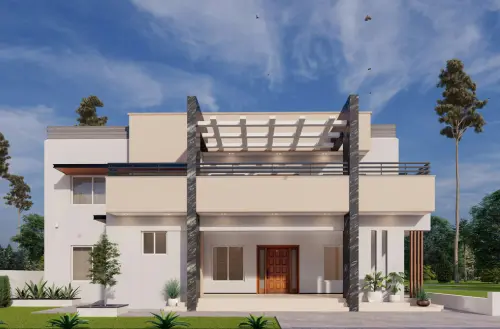
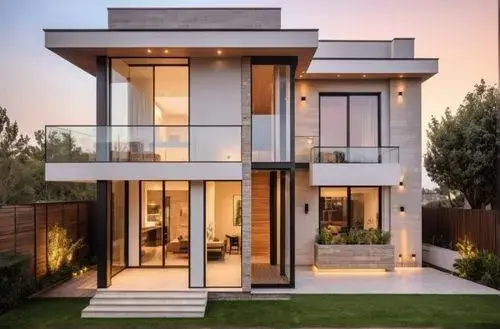
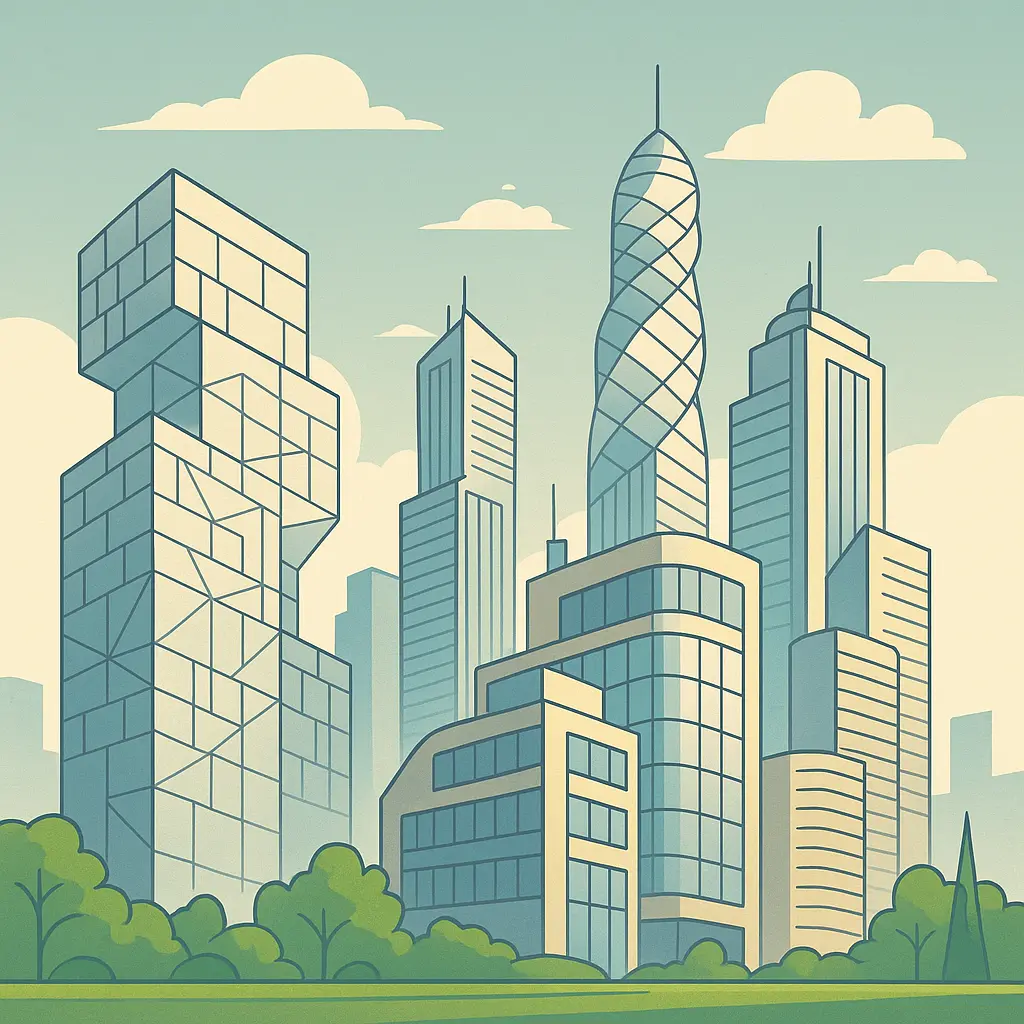
Minimalist House Design
November 28, 2025 | Architecture
A minimalistic house centers on simplicity, calmness & purposeful design Instead of filling spaces with unnecessary items, it focuses on clean layouts, considered details, and elements that contribute value. Every nook is designed to serve in the enhancement of comfort, functionality, and visual beauty.
Today, minimalism is one of the leading trends in modern life. People prefer homes that feel open, organized, and clutter-free because such environments naturally bring peace, reduce stress, and make everyday life more efficient. A minimalist house looks elegant but also supports a balanced and mindful lifestyle.
What Is Minimalist House Design?
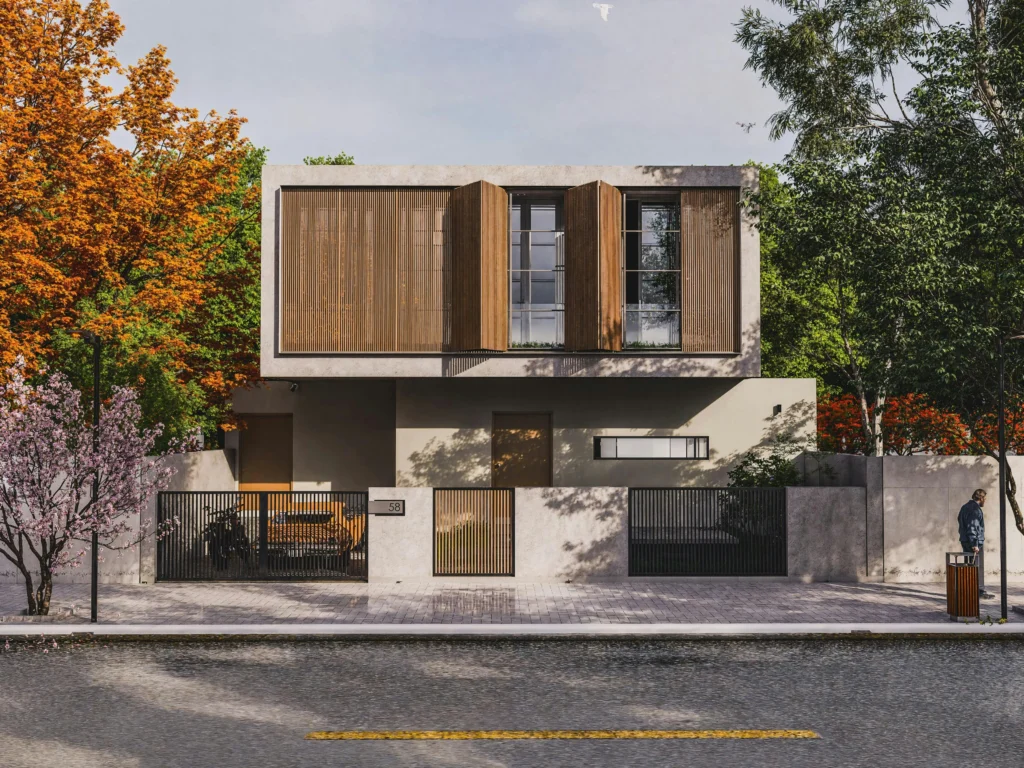
A minimalist house is built on the timeless notion that “less is more.” It celebrates neat, open spaces, functionality in layouts, and only the most essential elements. Other than unnecessary decoration or clutter, everything in a home serves a purpose. This in return creates spacious, organized, and balanced rooms where architecture and materiality can really shine. The minimalist house not only looks refined but also cultivates a calm, efficient, and intentional way of life.
Core Principles of Minimalist Design
Minimalism relies on clarity, purpose, and deliberateness of the choice. Rather than filling spaces with additional ornamentation, the emphasis is on function, balance, and calm visual flow. These guidelines help create homes that feel open, organized, and naturally peaceful.
Key Principles
- Function first: every space should be useful.
- Simplicity: Without superfluous items.
- Visual clarity ensures that spaces are kept clean and open.
- Limited décor: only meaningful items stay.
Key Features of a Minimalist House
A minimalist house is all about clarity, balance, and well-thought-out design. Each element, from the color palette to furniture layout, works together in order to create an open, visually calm environment. These features ensure the home will feel modern, spacious, and easy to live in.
1. Clean Lines & Simple Forms
Doors, furniture, and architecture also have straight and uncluttered lines to create a modern, refined look.
2. Limited Color Palette
Neutral shades of white, grey, beige, and soft wood tones prevail in the space to retain calmness.
3. Open Floor Plans
Living, dining, and kitchen areas flow together to give a spacious feel.
4. Natural Light
Large windows, glass walls, and skylights brighten the space and reduce dependence on artificial lighting.
5. Minimal Furniture & Decor
Only essential furniture pieces are used simple, elegant, and high-quality items.
Minimalist house design is much more than a visual style; it’s a way of living, promoting clarity, comfort, and balance. A minimalist home, embracing simplicity, functional layouts, open spaces, and natural light, becomes a haven to rest in and supportive for living a stress-free life, with everything in its place. When every element serves its purpose, the house becomes elegant, timeless, and low-maintenance. Thus, choosing minimalist design means ultimately choosing mindful living, wherein simplicity amplifies daily life and overall well-being.