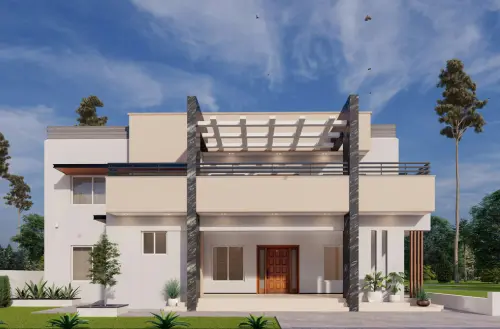
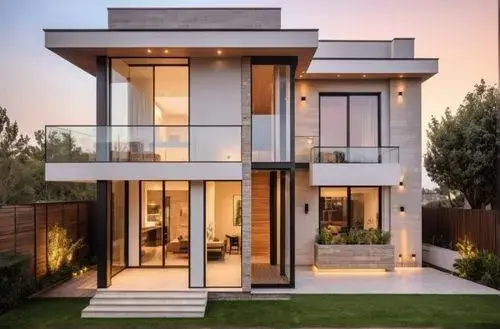
Benefits Of Living In A Minimalist Home
November 29, 2025 | Architecture
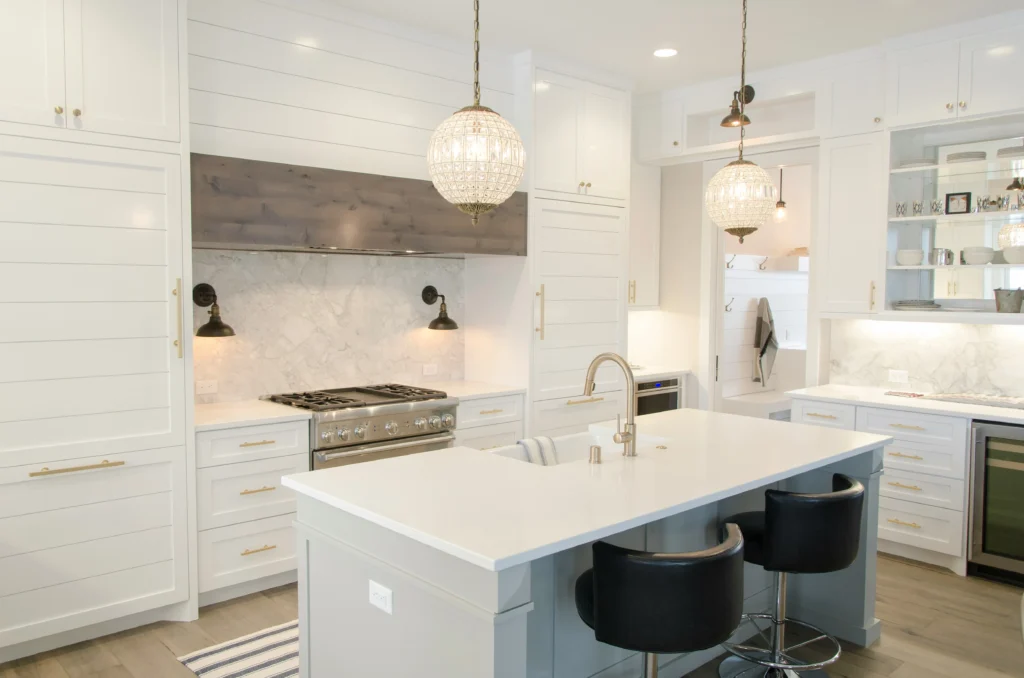
In today’s fast-moving and consumerist world, it’s very easy to accumulate more than we need. Over time, this excess converts into clutter that affects not only our living space but even our mental health. Minimalist living opens up refreshing alternatives-focusing on simplicity, purpose, and intentional design. A minimalist home is not just about a visual choice; it’s a way of living that brings balance, clarity, and freedom.
Following are the key benefits of living in a minimalist home:
More Space, Less Clutter
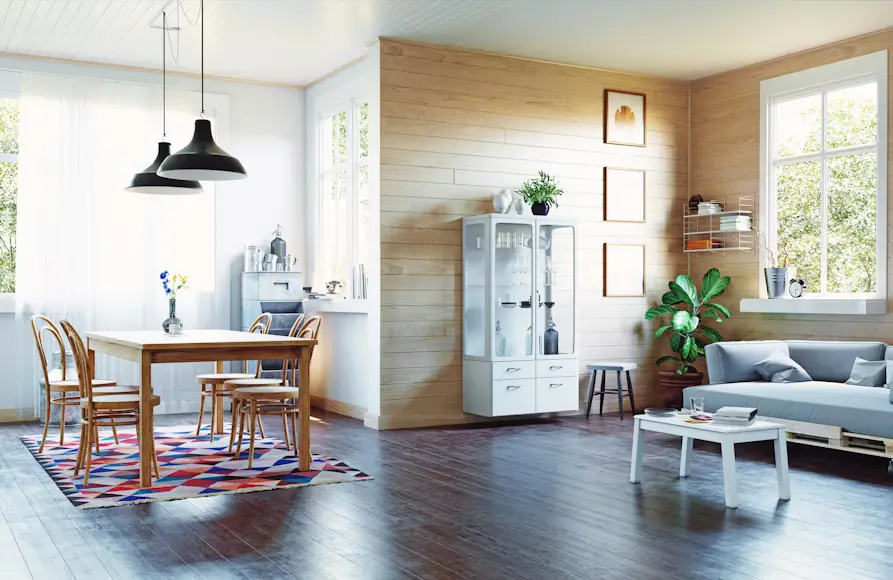
A major positive attribute of a minimalist home is the openness that it can create. By only having what is necessary, the space feels larger, cleaner, and more breathable. The design focuses on functionality, so every area has a specific purpose rather than being cluttered with unneeded items.
Reduced Stress and Mental Peace
The clutter creates continuous noise both visually and mentally. A minimalist home rids an individual of unnecessary distractions, calming and soothing them. Clean lines, organized spaces, and neutral tones all create an environment that is peaceful and supports mental clarity and emotional well-being.
Saves Time and Money
Minimalist living reduces spending on superfluous furniture, décor, and impulse buys. Cleaning and maintenance also require less time with fewer possessions. This enables a homeowner to save money and invest their time in experiences, relationships, and personal growth rather than in managing belongings.
Improved Focus and Productivity
It allows one to develop better concentration when working or relaxing in a minimalist space. This helps avoid distractions, especially when one is working from home or studying, by making the environment less cluttered, hence increasing efficiency.
Better Natural Light and Airflow
Minimalist design often features open layouts, large windows, and light color palettes. These design choices allow more natural light and better ventilation, providing healthier and more pleasant living spaces while reducing reliance on artificial lighting and cooling.
Supports a Sustainable Lifestyle
Consuming less and favoring quality above quantity, minimalist living aligns well with sustainability. One automatically ends up using fewer materials, generating less waste, or building better, energy-efficient spaces-and finds an eco-friendly, responsible way to live.
Conclusion
Living in a minimalist home encourages simplicity, mindfulness, and living intentionally. It creates spaces that are calm, functional, and enduring to support both physical comfort and mental well-being. Whether for a new home or renovation project, embracing minimalism can be wise, modern, and meaningful.